
July is Disability Pride Month. This month celebrates the achievements of individuals with disabilities, as well as the anniversary of the Americans with Disabilities Act’s passage on July 26th, 1990.
Roughly 16% of people in the U.S. have a disability. Despite this, individuals with disabilities are underrepresented and face many barriers in their day-to-day lives. This is especially true for youth with disabilities who experience homelessness.
According to the 2025 Minnesota Homeless Youth Act Legislative Report, 40% of the individuals surveyed reported having a disability for a long duration. Too often, the health and wellness of young people living without a home goes unnoticed and uncared for.
The Bridge for Youth is a safe space for youth where they can receive holistic care to ensure they are safe, accepted, and supported.
We believe in centering the voices of youth so their stories can help make change. Hear directly from our friend Nova, one of our storytellers and young leaders, as they share their experience with being disabled:
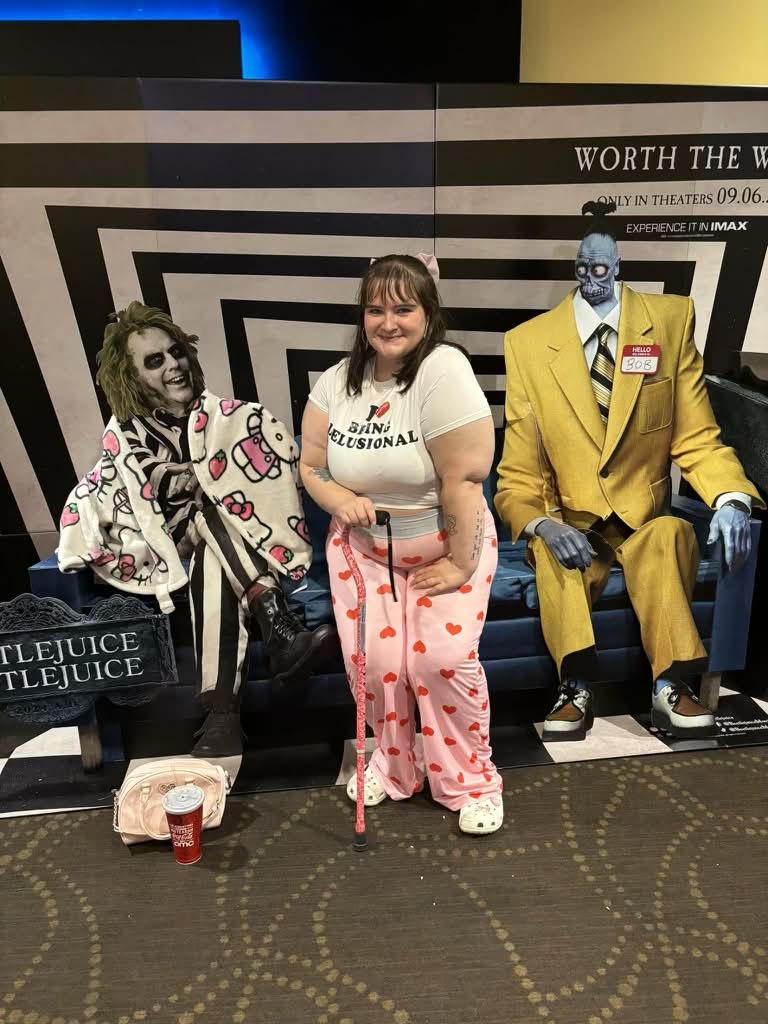
I was diagnosed with fibromyalgia in 2025, after fighting for an official diagnosis for over a year – which is a very common experience for disabled folks. My disability is not visible, and not many are.
Fibromyalgia is a condition you can be born with or inherit after a major physical accident, which is how it happened to me.
With fibromyalgia, the nerves in your body cause your brain and spinal cord to change. Your brain’s pain receptors begin to overreact, making you think you’re in more pain than you actually are. So, if you ever think someone with fibro is overreacting, know that it’s our brain tricking us!
Other symptoms can vary, but most commonly, we deal with “fibro brain”, which means that we forget things frequently.
Another thing we deal with is chronic fatigue. No matter what we do, we never feel well-rested. We also have increased sensitivity to light, sound, smell, and temperature.
There is no cure for fibromyalgia. Treatment plans involve medications, physical and occupational therapy, and more, depending on the individual.
Although I’m sad sometimes because my body can’t function normally, I’m grateful for the community that it’s given me. It’s also taught me to persevere and allowed me to adopt a more optimistic outlook on life.
Between doctor’s appointments, trials on various treatments, and how tiring simply existing can be, it can be hard not to give up. If you’re struggling, know that you are not alone.
Do what you can to find community and try not to let your disability control your life.